Mold Gel Buying Guide: What Actually Matters
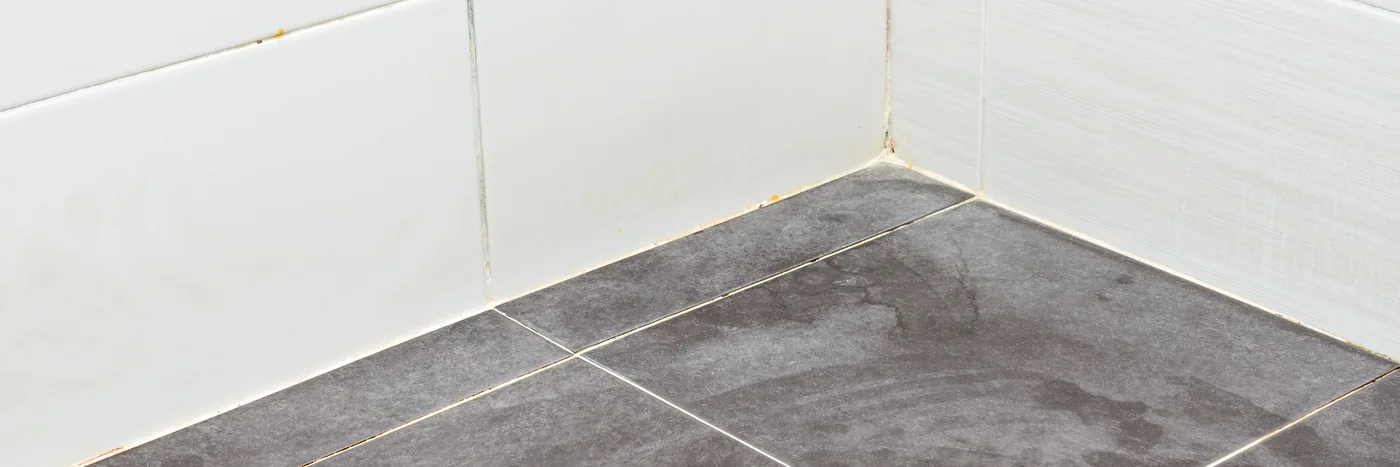
Here is the liberating truth about this category: the chemistry is nearly identical across every product that works. Sodium hypochlorite does the job in the $8.99 spray and the $14.99 gel alike. The buying decision is not about finding a magic formula. It is about five practical things the listings barely mention, and one number nobody in this category wants you to do the math on.
Start with the number
Work in cost per fluid ounce and the whole category rearranges itself. Here is what the five products we cover actually cost, checked on 2 August 2026:
| Product | Type | Size | Price | Per fl oz |
|---|---|---|---|---|
| Moldex | Spray | 32 fl oz | $8.99 | $0.28 |
| 30 SECONDS Pro | Spray | 32 fl oz | $16.99 | $0.53 |
| APULITO | Gel | 10 fl oz | $14.98 | $1.50 |
| GELIVABLE | Gel | 8 fl oz | $15.99 | $1.70 |
| Skylarlife | Gel | 5 fl oz | $14.99 | $3.00 |
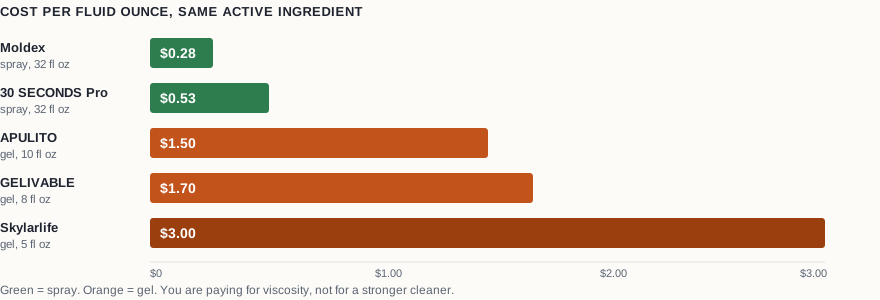
Top to bottom, that is a spread of more than ten to one for products doing broadly the same chemistry. You are not buying a stronger cleaner as you move down that table. You are buying viscosity.
Viscosity is worth paying for on a vertical caulk line, where a spray runs off in about three minutes and the stain needs three hours. It is worth nothing at all on a flat wall, where a spray covers ten times the area for a third of the money. Most of the disappointment in this category comes from people buying the wrong side of that line and blaming the product.
The five things that matter
1. Format for the surface
There is really only one question here and it is about geometry, not chemistry: does the surface fight gravity, and is the stain in the material or on it? Caulk, rubber gaskets and grout are vertical and porous, the stain is inside them, and only a gel stays put long enough to reach it. Walls, ceilings and tile faces are broad, the growth sits on the surface, and a spray clears them in minutes for a fraction of the cost per ounce. Get that one call right and the brand barely matters, which is the argument laid out in full in gel vs spray.
2. Volume against your actual job
One bathroom's caulk needs less than a full 10 fl oz bottle if you lay it properly. Two bathrooms, a tub surround, the grout behind the sink and a washer gasket will burn through a 5 fl oz tube before you have finished. This is the single most common reason people get a poor result: they ration a small tube, spread the gel thin to make it stretch, and thin gel dries out at the edges and underperforms. Buy enough to be generous.
3. Applicator and visibility
Nozzle bottles lay a fast clean bead along straight caulk runs, which is what all three of our gels ship with. Nothing on our current list includes a brush, whatever roundups elsewhere claim, so if you need to work gel into a folded washer gasket, buy a cheap nylon brush you are happy to throw away. Separately, GELIVABLE is the only transparent gel here, which lets you check whether the stain is lifting without ending the dwell early. On a bad job that is worth real money.
4. Label transparency
A published ingredient list means you know what you are handling and what it must never be mixed with. This is where the category is genuinely weak: two of our three gels publish almost nothing, and one is marketed with enzyme language for what owners describe unambiguously as bleach. The sprays are better, and Moldex deserves credit for putting the word bleach in the product name. Assume every product on this site is bleach until proven otherwise, and handle it that way.
5. Rating count, not rating average
Read the number in parentheses before the number of stars. On this site the highest star average, 4.6, belongs to the product with the thinnest evidence: 51 ratings against 3,900 to 6,100 for everything else. A 4.6 from 51 people is a weaker signal than a 4.2 from 6,148, not a stronger one, and a roundup that ranks on averages alone will hand you the newest listing every time.
What's marketing
"Japanese formula", "extreme", "magic", "professional strength", "enzyme-powered" and "eco-friendly" decorate products whose active ingredient is the same hypochlorite as everything else. The enzyme claims deserve particular suspicion; the owners of the products making them consistently report the smell, behavior and hazards of chlorine bleach. Before and after photos prove nothing either, because every working product in this category produces them. Ignore the adjectives, check the volume and the price per ounce, and pick the right format for your surface.
Frequently asked questions
- Does mold gel kill mold or just remove the stain?
- Both, but only as far down as it can physically reach. Hypochlorite kills living growth on contact and then breaks the dark pigment apart, which is why the stain fades rather than wiping away. The catch is that it only acts where it touches, so anything growing deeper in the material survives and regrows from there. That is the real reason mold returns after a successful-looking clean, and it is also why the prevention guide does more for you than any product page on this site.
- How long should I leave it on?
- Longer than feels reasonable. Labels say 3 to 10 hours and mean it; overnight is the right call on anything established. The instinct to check at twenty minutes and wipe it off when nothing has visibly changed is the single most common way people waste a bottle, because at twenty minutes nothing has happened yet and nothing was supposed to have. If you cannot stand not knowing, buy the transparent gel and watch through it.
- Why is gel so much more expensive than spray?
- You are paying for the thickener, not for a stronger cleaner. See the table above: gels run $1.50 to $3.00 per fluid ounce against $0.28 to $0.53 for sprays. That premium buys you the only format that can stay on a vertical caulk line long enough to work, and buys you nothing on a flat wall.
- Will it fix badly stained caulk?
- Usually it transforms it. But caulk that has been black for years can be colonized right through, and then a grey shadow survives any gel. The honest fix at that stage is a few dollars of new caulk and an hour with a caulk gun, then gel as maintenance on the fresh bead. That costs less than two tubes of gel.
- Is it safe on colored grout?
- Assume it will lighten anything colored, because it is bleach and that is its job. Colored grout, colored caulk and colored paint are all at risk, and one spray we cover has been reported to leave streaks running down painted walls below where it was applied. Find somewhere hidden, a corner behind the toilet or the bottom of a tub surround, and test there first. Fabrics are not a test case, they are a write-off. And rinse anywhere skin touches later, tub rims especially.
- Mold gel or mould gel, what's the difference?
- Spelling. Mold is American, mould is British, and the products are the same category. The lineups are not the same though: the five products we cover are what is actually stocked and moving on amazon.com. If you are shopping from the UK or Ireland, our sister site MouldGel.com covers the different set of brands available on amazon.co.uk, and its prices are in pounds.
- Can I use it on my washing machine gasket?
- Yes, and you should; it's one of the format's best tricks. Work it into the fold with a cheap brush and follow the step by step guide, including the empty hot cycle afterwards. If the gasket is only lightly speckled, a spray does it in about ten minutes for a fraction of the cost.
- Can I clean the residue off with vinegar?
- No, and this one genuinely matters. These gels are bleach-based and they do not rinse away easily, so people reach for something stronger. Bleach plus an acid releases chlorine gas. The same goes for ammonia-based glass and bathroom cleaners. Warm water and a cloth, nothing else. Full list in bleach safety.
- Is there a bleach-free option that works?
- Bleach-free options exist, usually hydrogen peroxide or quaternary ammonium, and they are a reasonable trade if chlorine fumes are a genuine problem for you or someone in the house. Be clear about what you are trading: they are noticeably weaker on the deep black staining in silicone that most people arrive here with, so expect longer dwells and a partial result. Also worth saying plainly, bleach-free does not mean harmless. Peroxide still bleaches fabric and still irritates skin and eyes. Nothing on our current list is bleach-free; if you need that, you are shopping outside these five. Bleach safety covers the handling rules either way.
Our short list
APULITO if you are buying one gel, for the volume and the price per ounce. Skylarlife if a six-year track record is worth the premium to you. GELIVABLE if the job is bad enough that you want to watch it work. 30 SECONDS for walls and ceilings. Moldex for outdoor surfaces where cost per ounce rules. The full roundup has the details and the honest caveats on each.